
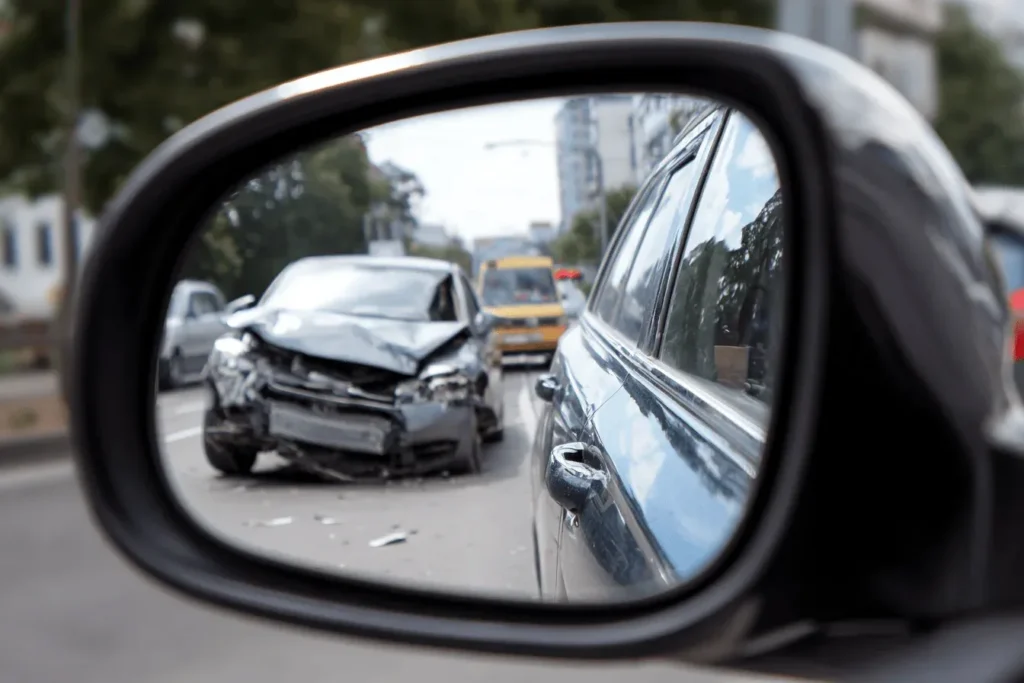
Boston Rear-End Accident Lawyer
Injured in a rear-end accident in Boston, MA? Contact a trusted Boston rear-end accident lawyer to seek justice and compensation.
Rear-end crashes in Boston cause injuries that rarely match the visible damage. Low-speed impacts on Storrow Drive, stop-and-go collisions on I-93 during the morning commute, and chain-reaction crashes on the Mass Pike can produce disc herniations, traumatic brain injuries, and soft tissue damage that takes days or weeks to fully surface. Insurance adjusters know this, and they move fast to record your statement and offer a settlement before your injuries and their long-term costs are fully understood.
At Breakstone, White & Gluck, our car accident attorneys have represented seriously injured rear-end accident victims throughout Massachusetts for over 30 years. We know how insurers use vehicle damage photographs to minimize soft tissue and neurological injury claims, and we work with the medical and biomechanical experts who counter those arguments effectively. We handle every aspect of your claim and advance all costs so you pay nothing unless we win.
Contact us today for a free consultation and discover how our Boston rear-end accident lawyers can help you seek the compensation you deserve.
Who Is at Fault in a Boston Rear End Crash?
In Massachusetts, the driver who strikes a vehicle from behind is usually presumed at fault for following too closely or failing to pay attention. That presumption can be challenged with the right evidence.
Common situations where fault shifts or is shared include:
- Sudden unjustified stop: The lead driver braked without warning or reason.
- Broken brake lights: The front vehicle gave no visible signal of slowing down.
- Reversing driver: The front driver backed into the rear vehicle.
- Chain reaction: A third vehicle in a chain reaction pushed the middle car into yours.
Fault directly affects how much compensation you can recover, which is why we investigate the crash thoroughly before the insurance company builds its version of events.
One pattern we see in Boston rear-end cases is that the following distance dispute is most aggressively contested when the crash happened in a known stop-and-go corridor, particularly on I-93 approaching the Leverett Connector and on the Mass Pike near the Allston interchange. Insurers for the rear driver argue that the lead vehicle stopped suddenly or changed lanes abruptly, and without EDR data from both vehicles, those arguments can gain traction.
We request EDR data preservation from both vehicles within the first few days because that data captures the speed, braking, and following interval in the seconds before impact and is the most effective counter to a sudden stop defense.
No-Fault PIP and When You Can Sue in Massachusetts
Personal Injury Protection (PIP) is mandatory auto insurance in Massachusetts that covers your first $8,000 in medical bills and lost wages, regardless of who caused the crash. You draw from your own policy first, not the at-fault driver's.
If medical costs exceed $2,000, or your injuries include a fracture, permanent disfigurement, or a significant loss of hearing or sight, you may opt out of the no-fault system and file a claim directly against the driver who hit you. Most rear-end injuries clear this threshold quickly once emergency care, imaging, and physical therapy are added up. We document your treatment and expenses carefully so you do not miss the opportunity to pursue full compensation.
How the 51 Percent Rule Affects Your Claim
Massachusetts follows a modified comparative negligence rule. This means your financial recovery is reduced by your percentage of fault, and you are barred from recovering anything if you are found 51 percent or more responsible for the crash.
For example, if your case is valued at $100,000 and a jury finds you 20 percent at fault, you would receive $80,000, however, if a jury finds you 51 percent or more responsible, you may be barred from recovering damages. Insurance adjusters know this rule and routinely try to assign partial blame to the rear-ended driver to reduce what they owe. We challenge those arguments with evidence so your compensation reflects what actually happened.
What to Do After a Boston Rear End Crash
The actions you take in the hours and days after a crash have a direct impact on your claim. Follow these steps to protect yourself.
Step 1: Get Medical Care the Same Day
Whiplash, disc injuries, and concussions often feel minor at first and become significantly worse within 48 to 72 hours. Visiting the emergency room or urgent care on the day of the crash creates a medical record that ties your injuries directly to the collision.
Step 2: Document Everything at the Scene
Photograph both vehicles, the position of the cars, skid marks, traffic signals, and any visible injuries. Low speed rear end crashes often look minor in photos, which is exactly why insurers use them to deny claims. Thorough documentation counters that tactic.
Step 3: Collect Information and Witness Contacts
Get the other driver's name, license number, insurance card, and license plate. Gather contact information from any witnesses nearby. Witness accounts are especially valuable in disputes involving sudden stops or multi vehicle pileups.
Step 4: Decline Recorded Statements to the Insurer
The at fault driver's insurance company will contact you quickly and ask for a recorded statement. These statements are designed to get you to minimize your injuries or accept partial blame. Politely decline and let your attorney handle all communication.
Common Rear-End Injuries
The violent forward and backward motion of a rear-end impact strains the body in specific ways, even at low speeds. Insurers often label these crashes as minor, but the injuries they cause are anything but.
- Whiplash and cervical strain: The sudden snap of the neck tears muscles and ligaments and can cause chronic pain that lasts for months or years.
- Herniated discs: The compression of the spine during impact can push spinal discs out of place, causing nerve pain that radiates into the arms or legs.
- Concussions: Your brain can strike the inside of your skull during the impact, even without a direct blow to the head.
- Shoulder injuries: The force of the seatbelt across your chest and shoulder can tear rotator cuff muscles.
- Fractures: Bracing for impact often results in broken wrists, hands, or arms.
Gaps in your medical treatment give insurers ammunition to argue your injuries were not serious or were unrelated to the crash. Consistent follow up care protects both your health and your case.
What we see consistently in the rear-end cases we handle in Massachusetts is that disc herniations at C5-C6 and C6-C7 are the injury most often dismissed by insurers using vehicle damage photographs. Adjusters present photos of modest rear bumper damage and argue that the impact speed was too low to produce a herniation, ignoring that restrained occupants in low-speed rear impacts experience cervical spine loading that is disproportionate to the visible vehicle damage.
We work with biomechanical experts who model the specific forces involved in the crash and explain that relationship directly, which is what moves a stalled disc herniation claim forward.
What Compensation Can You Recover
Once you step outside the no-fault system, you can pursue both economic and non-economic damages from the at-fault driver.
| Economic Damages | Non Economic Damages |
| Medical bills and future treatment costs | Pain and suffering |
| Lost wages and reduced earning capacity | Emotional distress |
| Vehicle repair or replacement | Loss of enjoyment of life |
| Out-of-pocket expenses | Scarring and disfigurement |
If a rear end crash resulted in a fatality, Massachusetts wrongful death law allows surviving family members to seek compensation for loss of companionship, funeral costs, and the conscious pain and suffering the victim experienced.
How We Build Your Case
We move quickly to secure evidence before it disappears. Dashcam footage gets overwritten, surveillance systems erase recordings, and skid marks fade. We send preservation letters to lock down that evidence on day one.
We also work with accident reconstruction specialists and medical experts to connect your injuries to the crash and establish the full value of your claim. We prepare every case as if it will go before a jury, which gives us real leverage at the negotiating table.
Complex Rear-End Crashes: Rideshare, Delivery, and Government Vehicles
Not every rear-end crash involves two private drivers. When a commercial or government vehicle is involved, the claims process changes significantly.
- Rideshare vehicles: Uber and Lyft carry commercial liability policies of up to one million dollars when a driver is active on the app.
- Delivery and commercial trucks: The driver's employer is often liable, which means additional insurance coverage is available.
- City or state vehicles: Claims against government entities in Massachusetts are governed by the Massachusetts Tort Claims Act, which caps damages at $100,000 and requires a formal presentment letter filed within two years of the crash.
We identify every applicable insurance policy so your compensation is not artificially limited by one driver's personal coverage.
In our experience handling rear-end cases in Boston, employer liability in delivery and rideshare crashes is the most frequently overlooked source of additional coverage. A delivery driver rear-ending a vehicle on Commonwealth Avenue during a commercial route, or a rideshare driver rear-ending a pedestrian near South Station during an active trip, brings a commercial policy into the claim alongside the personal auto policy.
We confirm employment status, app status, and vehicle ownership within the first days of every case because that additional coverage tier is frequently what makes a serious rear-end injury claim fully compensable.
How Long Will Your Case Take
The time it takes to resolve a rear-end case in Boston varies depending on injury severity, disputes over fault, and how long it takes to reach maximum medical improvement. Breakstone, White & Gluck does not push quick settlements that leave money on the table. We move your case forward at the pace that produces the best result for you.
The Deadline to File in Massachusetts
You have three years from the date of the crash to file a personal injury lawsuit in Massachusetts. Claims against a city or state vehicle require a presentment letter within two years. Missing these deadlines means losing your right to compensation entirely. Critical evidence also disappears well before any legal deadline, which is why contacting a lawyer early makes a real difference.
Why Clients Choose Breakstone, White & Gluck
Breakstone, White & Gluck handles only personal injury and medical malpractice cases. That singular focus means every strategy we build is shaped by decades of experience with exactly these types of claims.
- Direct partner representation: Every client works directly with Marc Breakstone, David White, or Ronald Gluck, not a junior associate.
- Trial ready advocacy: We prepare every case for trial, which consistently produces stronger settlements.
- Proven results: Our record includes multi million dollar recoveries for clients with serious injuries across Massachusetts.
- No upfront cost: We work on contingency, meaning you pay nothing unless we recover compensation for you.
What to Expect in Your Free Consultation?
We review your medical records and the police report and explain your legal options in plain English. We tell you honestly what your case is worth and what to expect at each stage. There is no pressure and no obligation to hire us after the call.
Call or contact us online to speak with a Boston rear end accident lawyer today.
Boston Rear End Accident Lawyer FAQs
Is the Rear Driver Always at Fault in a Massachusetts Rear End Crash?
The rear driver is usually presumed at fault, but that presumption can be challenged. Evidence of a sudden stop, broken brake lights, or a reversing front vehicle can shift or share liability.
What Does PIP Cover and When Can I Sue the At-Fault Driver?
PIP covers your first $8,000 in medical bills and lost wages through your own insurance policy. You can sue the at-fault driver once your medical bills exceed $2,000 or your injuries include a fracture or permanent impairment.
Can I Still Recover Compensation if I Was Partly at Fault?
Yes, as long as you are found less than 51 percent responsible. Your recovery is reduced by your percentage of fault, so being 25 percent at fault on a $100,000 case means you recover $75,000.
What Happens if Multiple Drivers Caused My Rear-End Crash?
We identify every driver and insurance policy that shares responsibility. You are not limited to one driver's coverage when multiple parties contributed to the crash.
Does It Matter if a Rideshare or Delivery Driver Rear-Ended Me?
Yes. Commercial and rideshare vehicles carry larger insurance policies than personal vehicles. We pursue the driver and the company when both are liable.
What Are the Rules for Suing a City or State Vehicle in Boston?
Government vehicle claims are capped at $100,000 under the Massachusetts Tort Claims Act and require a presentment letter filed within two years of the crash. Calling a lawyer immediately is critical to meet that deadline.